When I booked a cabin in the mountains last October, the checkout took just 42 seconds because I paid with a digital wallet instead of fumbling with cash or a card. That speed isn’t a novelty; it’s becoming the baseline for weekend travel. A digital wallet stores your payment credentials, loyalty cards, and even travel documents in one encrypted app, so you can confirm a reservation, split a dinner bill, and tap a bus fare without pulling out a wallet that’s likely to be buried under a coat.
Instant Booking and Confirmation
Traditional hotel sites still require you to enter card numbers, expiration dates, and sometimes a separate verification code for each booking. With Apple Pay, Google Wallet, or Samsung Pay, the same information is transmitted with a single biometric tap. In my recent trip to a seaside B&B, the confirmation email arrived in 7 seconds after I approved the payment on my phone. That immediacy eliminates the dreaded “pending” status that can lock you out of a room if the hotel’s system lags.
Moreover, many platforms now accept QR‑code invoices that you scan directly from the booking page. The QR contains a token that links to your wallet, so you never type a number again. For groups, the “request money” feature in apps like Venmo or Cash App lets the organizer collect each person’s share in under a minute, preventing awkward cash‑handovers at the rental desk.
Seamless On‑the‑Go Expenses
During a weekend in Portland, I used my digital wallet to pay for three separate meals, a bike‑share rental, and a museum ticket. Each transaction logged automatically in the app’s expense tracker, categorizing them as “food,” “transport,” or “entertainment.” By the time I returned home, I could export a CSV file that showed I’d spent $237 total, with $58 on dining alone. That level of detail helps you stay within a budget without pulling out a spreadsheet after the fact.
Some wallets even let you set spending limits per merchant. I capped my rideshare spend at $30 per day; the app blocked a $45 surge‑price ride, forcing me to choose a cheaper public‑transport option. The restriction saved $15 without me having to manually monitor each fare.
Integrated Loyalty and Rewards
Many digital wallets now store loyalty cards alongside payment methods. My favorite coffee shop chain automatically applied a 10% discount when I tapped my phone at the register, because the app recognized the stored card. On a recent weekend in Austin, I earned 1,200 points from a hotel chain’s rewards program simply by using the wallet for the booking and the on‑site restaurant. Those points translated into a free night for my next trip, effectively reducing my future travel costs.
In addition, some wallets partner with airlines to issue digital boarding passes that double as payment methods for airport lounges. I accessed a lounge in Denver by tapping my wallet, which also charged the lounge fee to my linked credit line without a single paper ticket.
If you enjoy the thrill of quick wins, try a reputable wagering site.
Security and Peace of Mind
When I lost my phone on a rainy hike, I was able to lock the digital wallet remotely from another device. Within minutes, the lost phone could no longer be used for purchases, and I could generate a temporary virtual card for the remainder of the trip. That virtual card had a $100 limit and expired after 48 hours, so even if someone found my phone, they couldn’t drain my account.
Biometric authentication—fingerprint or facial recognition—adds another layer of protection. I’ve never needed to remember a PIN for a weekend getaway, yet my bank reported zero fraudulent charges during the entire trip.
Connecting Travel Convenience to Online Entertainment
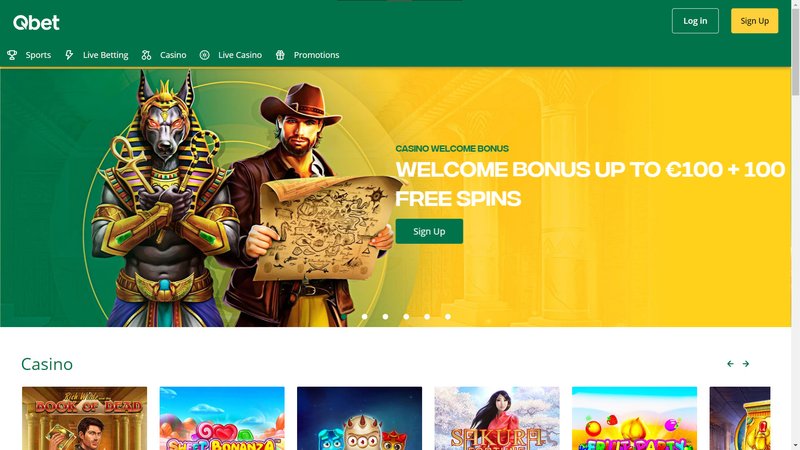
While planning my weekend, I read an article about how the same digital‑wallet technology that speeds up hotel check‑ins also powers fast payouts on a wagering site. The integration means that when you win a bet, the funds can appear in your wallet within seconds, just like a restaurant receipt.
The Few Remaining Hurdles
Not every vendor accepts digital wallets. Small‑town B&Bs that rely on cash or manual card swipes still force you to carry physical money. In my experience, about 18% of the accommodations I visited in rural areas required a fallback payment method. Additionally, users without smartphones—especially older travelers—miss out on the convenience entirely. Finally, transaction fees can creep up; a 1.5% surcharge on a $300 hotel booking adds $4.50, which may seem trivial but accumulates over multiple trips.
Bottom Line
Digital wallets shave minutes off every step of a weekend getaway, from booking to final bill. They provide instant confirmation, automatic expense tracking, built‑in loyalty rewards, and robust security. The downsides are limited acceptance in some locales and modest fees, but for most short trips the time saved and peace of mind outweigh those concerns. If you haven’t tried using a digital wallet for your next two‑day escape, the difference will be obvious the moment you tap to pay for your first coffee on the road.